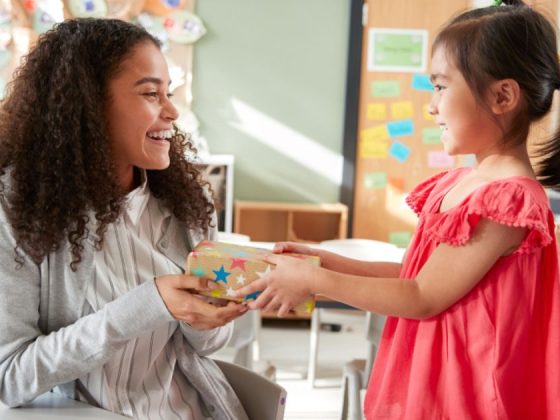
Picture this: a child’s eyes widen as they carefully untie a ribbon and reveal something unexpected — not just another toy, but a treasure that invites discovery. The kind of gift that makes them pause, smile, and immediately begin inventing stories, ideas, and worlds. That moment of pure wonder — that is the magic of a truly exceptional gift.
In today’s world, children are surrounded by a sea of mass-produced plastic playthings. But what if there was a better way? Gifts that don’t just entertain — but educate, inspire, and stay meaningful long after the wrapping paper is tossed. In this guide, we go beyond the ordinary, exploring unique gift ideas that delight children of all ages while nurturing curiosity, growth, and connection.
Why Unique Gifts Matter More Than Ever
Gift-giving is more than an exchange of objects — it’s an expression of love, thoughtfulness, and understanding of a child’s inner world. When we choose gifts with intention, we unlock experiences that:
-
Boost imagination and creativity
-
Support developmental milestones
-
Encourage learning through play
-
Build emotional bonds
-
Introduce new skills in fun, engaging ways
According to child development experts, play isn’t just fun — it’s foundational to learning. Through play, young minds grasp language, practice problem-solving, and learn to navigate the world around them.
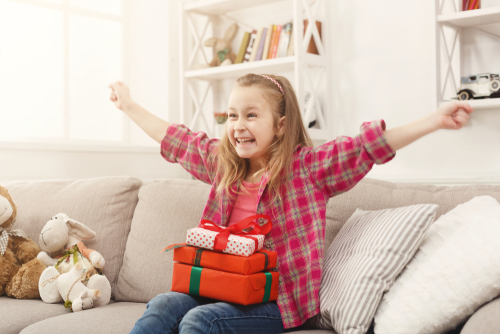
That’s why choosing thoughtful, inspired gifts matters: these aren’t just things children enjoy — they’re tools that help them grow.
The Power of Play: Beyond Entertainment
Play is far from frivolous — it’s how children learn to think, adapt, and connect.
How Play Shapes Development
Play supports growth in at least four key domains:
-
Cognitive Skills – Planning, problem-solving, memory, and reasoning.
-
Social Skills – Sharing, collaboration, empathy, and communication.
-
Emotional Growth – Self-expression, regulation, confidence.
-
Physical Development – Fine and gross motor skills through hands-on activity.
Experts say unstructured playtime — where a child leads the activity — unlocks creativity and resilience.
Unconventional Toys: When Play Breaks the Mold
The best playscapes are the ones that let children ask their own questions — and try their own answers.
Eco-Friendly Playthings: Kind to Kids + Planet
Sustainable toys are more than trends; they’re lessons in stewardship.
Best Options to Look For:
-
Wooden puzzles and building blocks – Durable, tactile, and biodegradable.
-
Recycled fabric dolls – Soft, safe, and often handmade.
-
Plant-based sensory sets – Natural textures and smells for immersive play.
Tip: Look for certifications like FSC (Forest Stewardship Council) for responsibly sourced wood.
These toys offer environmental lessons while stimulating tactile and imaginative play — plus they feel timeless.
Building & Construction Kits: Little Architects in the Making
Nothing builds confidence like creating something from scratch.
Top Picks Include:
-
Magnetic blocks – Safe, endlessly configurable, great for early spatial reasoning.
-
Marble run sets – Teaches cause and effect via flowing ball motion.
-
Architectural kits – Introduce basic engineering and design thinking.
Why They’re Great:
✔ Encourages strategic thinking
✔ Promotes patience and planning
✔ Perfect for solo or group play
Pro tip: Pair a building kit with a sketch pad — kids can draw their plans before building.
Educational Wonders: Learning Through Fun
Today’s educational toys are smarter, but still fun-first.
STEM & STEAM Toys — Learning by Doing
STEM/STEAM stands for Science, Technology, Engineering, (Arts), and Mathematics — and these toys make learning experimental, hands-on, and exciting.
Inspiring Gifts
-
Coding robots – Help kids learn logic and patterns through play.
-
Mini science kits – From crystal gardens to volcano models.
-
Interactive globe systems – Explore geography with audio and AR features.
Why they matter:
-
They build computational thinking from an early age.
-
They make abstract concepts tangible.
-
They grow with the child — from beginner levels to more advanced.
Fact: Early exposure to STEM play increases comfort with science and technology later in school.
Innovative Gadgets: When Tech Meets Play
Gone are the days of passive screen time. Today’s gadgets can be interactive, educational, and healthy when balanced with other play.
Top Tech Picks:
-
Kid-friendly tablets with curated content
-
Augmented reality (AR) storybooks
-
Smart puzzles with sensor-based feedback
Playtime tip: Set screen time rules that encourage responsive interaction — screen time with engagement is far more beneficial than passive watching.
Creative Tools: Unleashing Imagination
Creativity isn’t just for artists — it builds confidence, communication, and joy.
Arts & Crafts Kits
Whether finger paints or sewing sets, artistic tools help children explore self-expression.
Creative Favorites:
-
All-in-one craft boxes
-
DIY jewelry kits
-
Clay and sculpting tools
-
Reusable sticker activity books
Why These Work:
-
They improve fine motor skills
-
They build patience and focus
-
They offer emotional expression
Idea: Gift a craft kit with an “Art Date” — set aside time to create together.
Music & Performance Sets: Let the Show Begin
Music isn’t just entertainment — it’s rhythm, memory, and language all in one.
Great Starter Gifts:
-
Mini keyboards
-
Percussion kits
-
Dress-up costumes for performance play
Benefits:
✔ Boosts auditory learning
✔ Encourages coordination
✔ Sparks confidence and storytelling
Personalized Surprises: Heartfelt & One-of-a-Kind
Personalization matters because it tells the child, “This is made for you.”
Ideas That Delight:
-
Custom storybooks — Child becomes the hero of their own tale.
-
Personalized puzzles — Names and favorite themes increase engagement.
-
Tailored clothing or room décor — Makes everyday feel special.
Why It Works: These gifts become keepsakes — treasured long after other toys are outgrown.
Sensory Experiences: Engaging All the Senses
For many kids — especially toddlers and children with sensory sensitivities — play is all about texture, color, and feel.
Sensory Play Products
These are fantastic for exploratory development:
-
Textured balls
-
Sensory boards
-
Scented play dough
-
Liquid motion toys
Benefits:
- Improves sensory processing
- Supports focus and calming
- Boosts exploratory learning
Note: Choose non-toxic and high-quality sensory materials to ensure safety.
Sensory-Friendly Toys
For children with sensory processing challenges, specialized toys can make play more inclusive and joyful.
Examples:
-
Weighted blankets or lap pads
-
Quiet fidget tools
-
Noise-dampening plush toys
Pro tip: Ask parents about preferences — many kids with sensory needs have specific “go-to” textures and activities.
Nature & Outdoor Exploration: Gifts That Get Kids Moving
Fresh air + play = powerful developmental benefits.
Outdoor Adventure Gear
Turn the backyard into a learning lab:
-
Explorer kits with binoculars and compasses
-
Gardening sets for little botanists
-
Kite kits that teach wind and motion
Benefits:
-
Encourages active play
-
Introduces biology and ecology naturally
-
Sparks wonder about the world
Idea: Pair a stargazing telescope with a simple sky chart to start astronomy exploration.
Science & Nature Kits
Bring science outdoors.
-
Bug habitats
-
Rock- and crystal-growing kits
-
Weather stations for kids
These tools deepen curiosity with real-world observation and experimentation.
Nostalgic Treasures: Classic Fun, Modern Twist
Some gifts never go out of style — they just evolve.
Retro & Classic Toys
These stand the test of time:
-
Wooden trains
-
Classic board games
-
Building blocks and puzzles
Why They Still Work:
-
They encourage imagination
-
They’re screen-free
-
They bring generations together
Throwback idea: Pair a classic board game with a family game night — perfect for bonding and lifelong memories.
Vintage-Inspired Items
From retro room décor to heirloom-quality dolls, these gifts blend timeless charm with modern safety and quality standards.
Experiences Over Things: Gifts That Last
Sometimes the best present is a moment.
Subscriptions & Activity Boxes
Subscription boxes keep curiosity active all year long:
-
Science kits delivered monthly
-
Art and craft challenges
-
Book club boxes for readers
Top tip: Choose subscriptions that match a child’s age and interests to maximize engagement.
Event & Activity Passes
Gift experiences too:
-
Museum memberships
-
Zoo or aquarium passes
-
Sports or dance class vouchers
These experiences create lasting memories — not clutter.
Practical Tips for Thoughtful Gift-Giving
Here’s how to choose gifts that truly matter:
-
Match gift to developmental stage
-
Toddlers: sensory + gross motor
-
Preschoolers: creativity + social play
-
School-age: strategy + skill-building
-
-
Choose open-ended toys
-
Toys that can be used in many ways naturally stretch imagination.
-
-
Balance tech and traditional play
-
Use tech to enhance learning, not replace hands-on curiosity.
-
-
Ask questions before you buy
-
Talk to parents about interests and needs.
-
-
Quality over quantity
-
One well-chosen gift often outlasts a pile of forgettable ones.
-
The Importance of Gift Surprise for Kids
Choosing a gift that goes beyond the ordinary isn’t just about being different — it’s about giving experiences that enrich a child’s world. When we prioritize imagination, curiosity, and thoughtful play, we’re gifting children more than just objects. We’re gifting them opportunities to learn about themselves, explore their interests, and grow boldly into who they’re becoming.
So next time you reach for a gift, pause and imagine the moment the child unwraps it: the smile, the spark in their eyes, the story they’ll begin to create. These are the gifts that stay with us — the gifts beyond imagination.
With thoughtful selection, intentional play, and a dash of creativity, every present has the potential to become a cherished memory and a building block for a child’s future.
Disclaimer:
This article is for general informational purposes only and is not intended to replace professional advice related to child development, education, or health. Every child grows and learns at their own pace, so caregivers should consider individual needs, interests, and any specific guidance from pediatricians, educators, or specialists when selecting toys or activities. Product examples and trends mentioned are based on current industry insights and may vary by age suitability, availability, and safety standards in different regions.
Sources:
-
Why Play Matters (National Assoc. for the Education of Young Children): https://www.naeyc.org/our-work/families/why-play-matters
-
The Importance of Play (Child Mind Institute): https://childmind.org/article/why-play-important/
-
STEM Play in Early Childhood (Edutopia): https://www.edutopia.org/article/stem-play-critical-kindergarten